Two summers ago, a group of us were toying with the idea of starting a shared vegetable garden somewhere in the downtown area. That’s when our good pal Gary stepped in and offered up a much better suggestion: his parent’s farm had an acre of land that we could use, just outside of the city. That summer, The Farm was born.
 The Farm belongs to the Buttrums, a family of farmers (and friends) who have been at the Hamilton Farmers’ Market for seven generations, since the 1880’s. Gary’s parents run the farm and sell their produce at the market. Squash, potatoes and tomatoes are their key crops, but they have grown all sorts of vegetables over the years. When they offered us up some of their land, we were beyond thrilled.

 The first summer, we cleared the back acre of land up at the farm and planted our crops as quickly as we could. It was already late May by the time we started farming, so we didn’t have a lot of planning time. We started heading up a few days a week to plant seeds, move rocks, weed, weed some more, and finally, harvest. When the harvest came, it was bountiful. It was also a little crazy. Beans sprouted up faster that we could possibly pick them, and by the time the frost came, we probably had about 300 heads of cabbage that we needed to find homes for. Some of the excess went to the Hamilton Farmers’ Market, but even then we still had too much.
 With the help of Gary and his parents, we’ve learned a lot about farming since that first summer, and we’re still learning. Last year more friends came up to the farm, and we expanded our farming area to cover the other five acres of farm land owned by the Buttrums. We helped farm their key market crops, and in return we got to use the remaining land for delicious tomatoes, beets, potatoes, hot peppers, onions, carrots, broccoli, cucumbers, zucchini and more.


 It’s hard, but rewarding work. Most of the weeding takes place on your hands and knees, so you often leave the farm a little worse for wear. Still, when the weather is nice, or the sun starts setting, I can’t think of a better place to be. It’s so satisfying to grown your own food and know exactly where it came from, and what (if anything) went into it. It’s a rewarding experience to get back to the basics, and become part of something so sustainable.
  We don’t use any chemicals at the farm, and even though we prefer it that way, sometimes the crops suffer as a result. Last year these pesky Colorado Potato Beetles pretty much wiped out our supply of potatoes, and most of the tomatoes suffered from a blight. It’s a small price to pay for knowing we are eating natural, pesticide-free food.
  Last summer we grew a little of everything you could possibly think of, and we did our very best to minimize any waste. We planted in phases so that not all the crops were ready at once, and we had a steady system of weeding and harvesting going on all summer. We hosted canning parties, made lots of soups and stews, and organized an outdoor market outside of White Elephant during the art crawls. Everyone from the farm volunteered to help harvest & transport the vegetables, and set up the stand outside of the shop. Hollie’s sister Nikki was often the face of the market stand, and she did an amazing job.
  This summer we are seriously stepping up with the farm. We have a ton of new friends who are interested in coming up, and we are taking this job seriously. Gary has appointed Hollie as Farm Manager, so we have someone to help organize and keep us all on track. We’re growing new crops, and bringing in something we are all really excited about: BEES. Some new friends are bringing their 3rd generation beekeeper experience to the farm this summer, and we’ll have our very first hives.
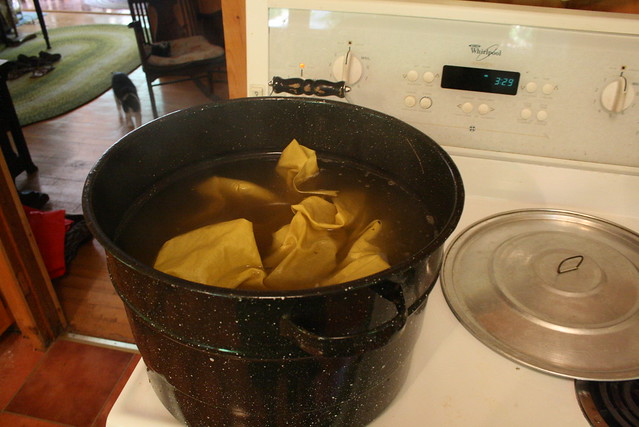
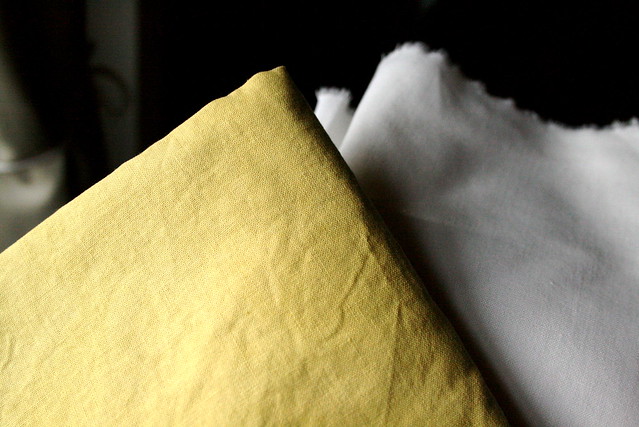
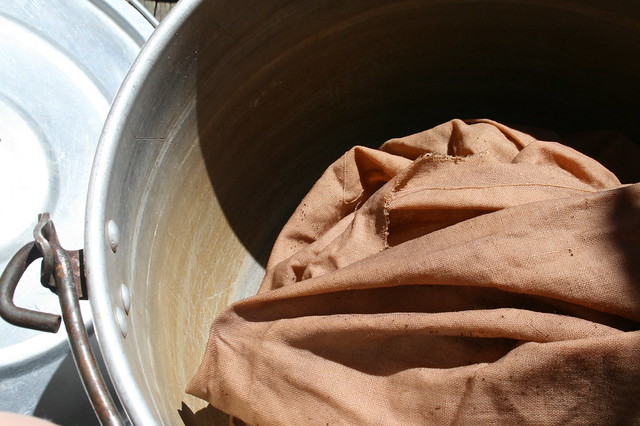
 We’re also planning to plant a natural dye garden, full of Madder, Indigo, Goldenrod, Hollyhock and more. There’s going to be a 6 x 20 foot natural dye garden, so you can expect lots of Beehive dyeing projects in the future. The weather is just starting to warm up here in Hamilton, and farming has been on everyone’s minds. I can’t wait to get back out there and get started on all the new ideas and projects we have planned, and I’m sure you’ll hear a lot about it this summer on the Beehive blog.
 Photos courtesy of Jane, Hollie and Gary Buttrum